Thinking about moving to Lafayette? If you want a quieter East Bay setting without giving up access to San Francisco, downtown amenities, and everyday convenience, Lafayette often lands on the shortlist for good reason. Before you make a move, it helps to understand how the commute works, what kinds of homes you’ll actually find, and what day-to-day life feels like once you’re here. Let’s dive in.
Why Lafayette Appeals to Relocating Buyers
Lafayette sits in Contra Costa County along Highway 24, about 25 miles east of San Francisco. The city places itself between Berkeley and Walnut Creek and describes itself as a welcoming, inclusive community with a semi-rural feel and a vibrant downtown core.
For many buyers, that balance is the main draw. You get a primarily residential setting with open space, trails, and a slower pace, but you still have a defined downtown corridor and direct BART access. If you are comparing Lafayette to denser inner East Bay locations, the lifestyle tradeoff is usually more space and a calmer setting rather than a large apartment inventory or an urban street grid.
Commute Options in Lafayette
Lafayette’s commute pattern is shaped by two main systems: Highway 24 and BART. In practical terms, most residents choose between driving, carpooling, park-and-ride, biking to transit, or taking BART depending on where they work and how often they need to travel.
The city describes Lafayette as walkable, bikeable, BARTable, drivable, and convenient to freeways. That is useful shorthand, but it is important to set expectations clearly. Lafayette is not built like a dense transit-first city. It functions more like a corridor community where access points matter a lot.
BART Is a Major Advantage
Lafayette has its own BART station on the Antioch to SFIA/Millbrae line. According to the city, the ride into San Francisco is about 25 minutes by BART, which is a meaningful benefit for buyers who want rail access without living in a more urban environment.
Lafayette Station also offers several parking options, including daily-fee, carpool, reserved, and monthly parking. There are also bike racks, 32 BikeLink lockers, and County Connection service. If you expect to commute regularly, your home search should include a realistic plan for how you will reach the station.
Driving Still Matters
Because Lafayette is organized around the Highway 24 corridor, driving remains part of everyday life for many households. Even buyers who plan to use BART often still care about freeway access for errands, regional meetings, school drop-offs, or weekend travel around the Bay Area.
That means location decisions are often less about distance alone and more about your preferred rhythm. Some buyers want quick BART access near downtown, while others prioritize a more tucked-away residential setting and accept a longer drive to transit.
Best Commute Questions to Ask
When relocating to Lafayette, it helps to think beyond a simple map search. Ask yourself:
- How many days per week will you commute?
- Will you rely on BART, drive most days, or use a mix of both?
- Do you want to walk or bike to downtown or the station?
- Will station parking availability affect your daily routine?
- Do you need easy Highway 24 access for multiple job locations?
These questions can narrow your home search quickly and help you choose the right part of Lafayette for your schedule.
What the Lafayette Housing Market Looks Like
Lafayette is still an ownership-oriented housing market. The city reports that 73.9% of housing units are owner-occupied, and single-family homes make up about 82% of the housing stock.
That matters if you are coming from a market with more condos, apartments, or newer master-planned communities. In Lafayette, detached homes are still the dominant housing type, and they shape much of the city’s overall character.
Single-Family Homes Lead the Market
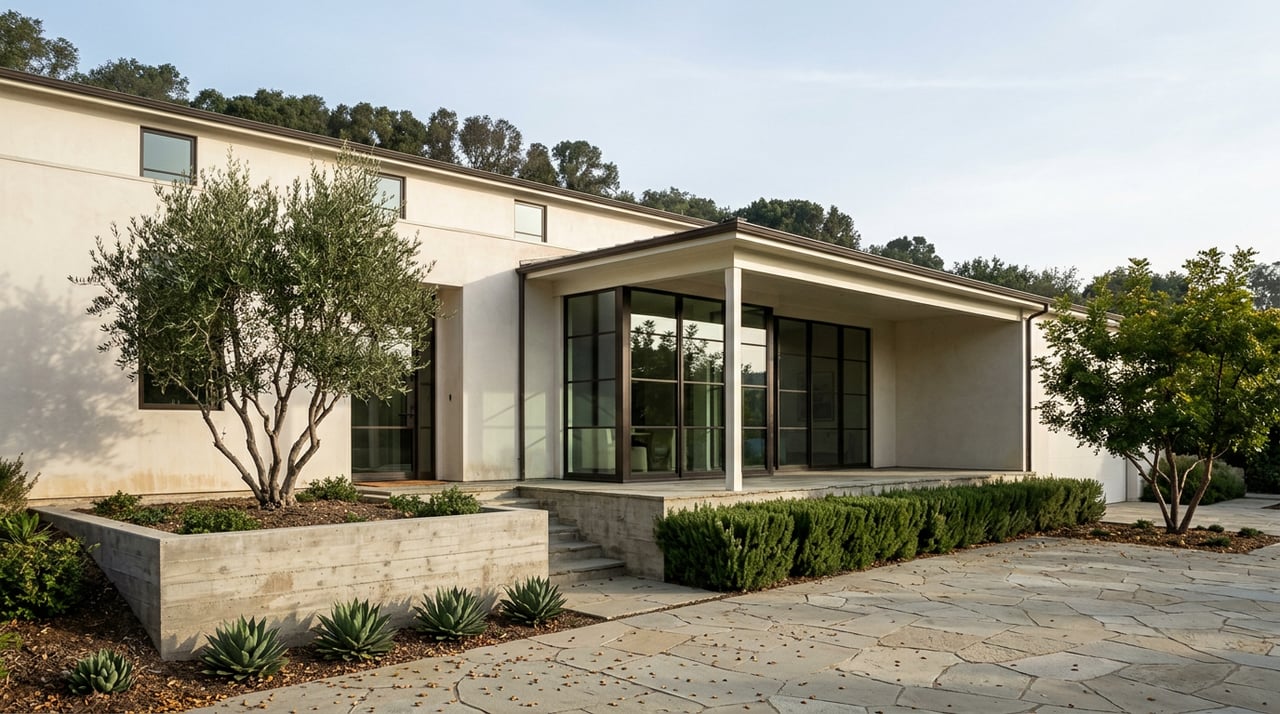
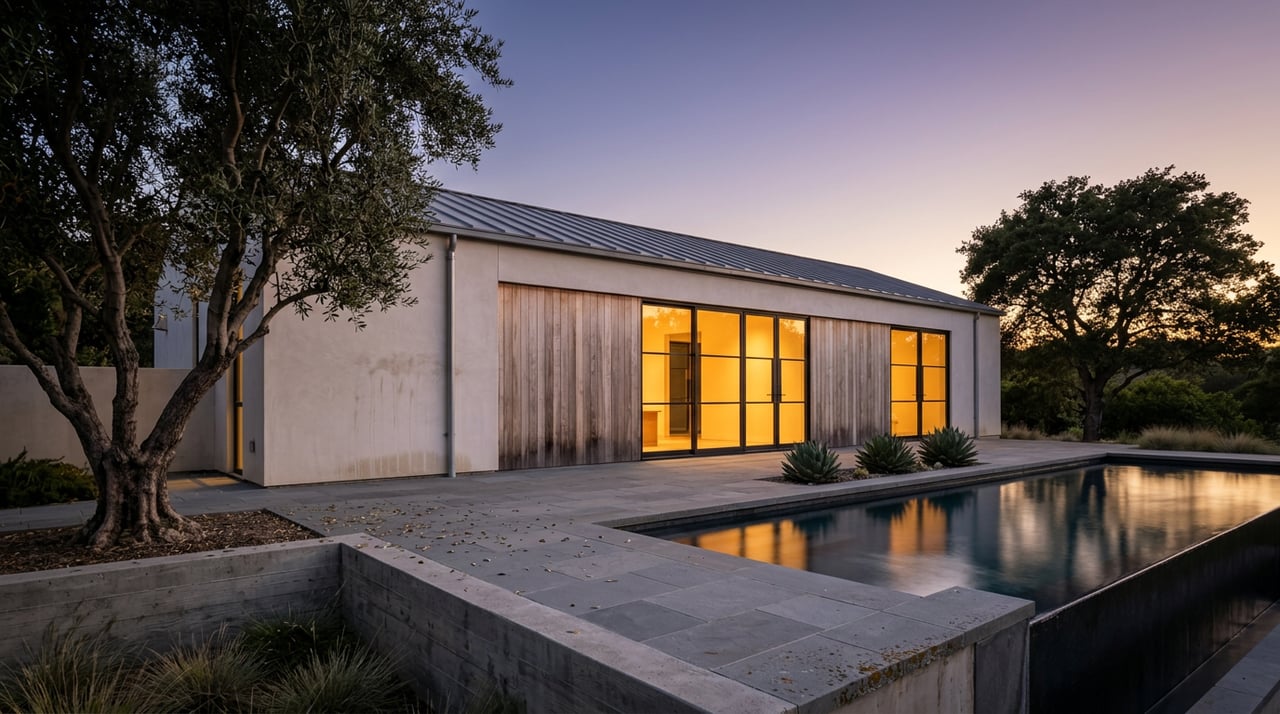
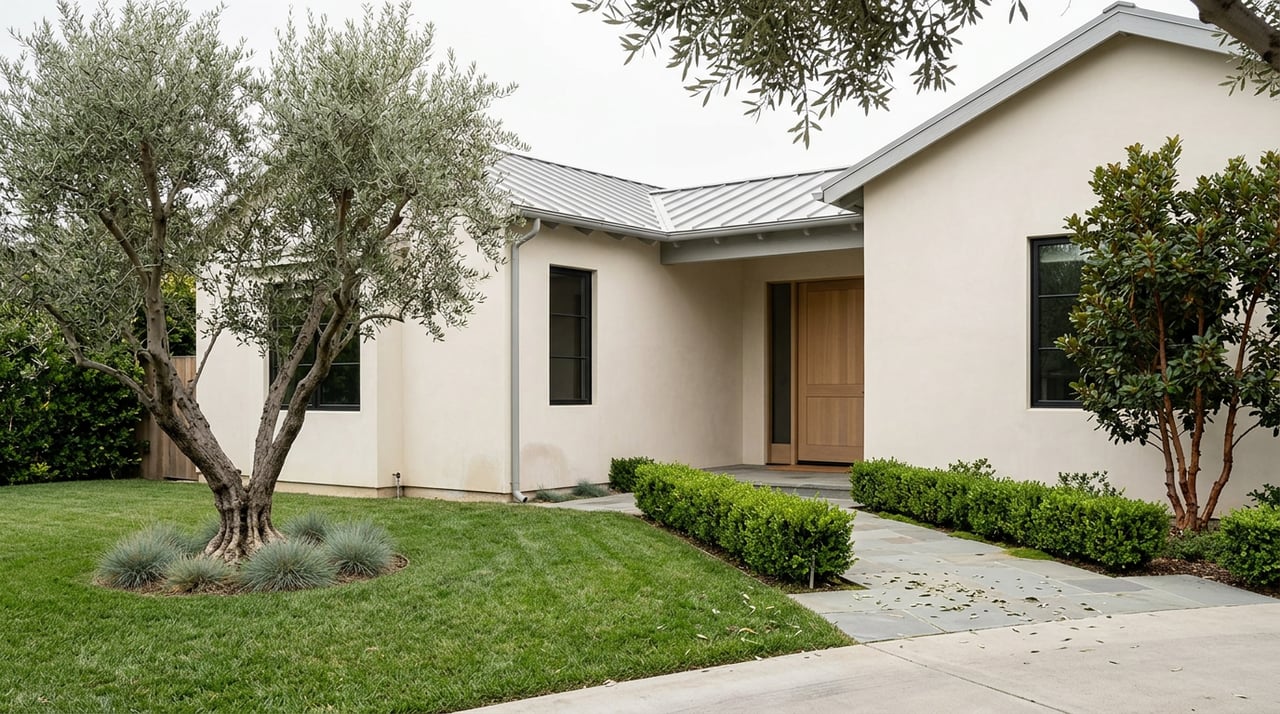
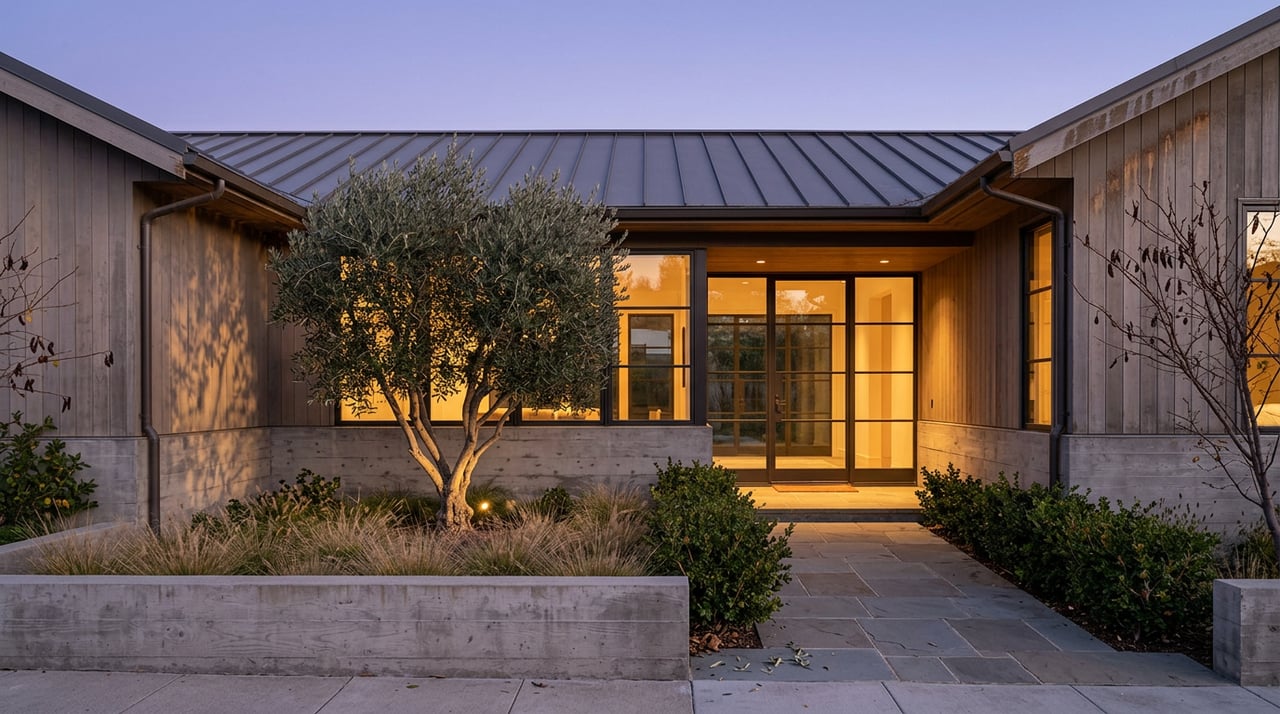
The city’s planning documents describe Lafayette as primarily residential, with neighborhoods that largely define the community. Low-density single-family areas remain a core land-use pattern, so if you are looking for a traditional detached home, that is the most common option you will encounter.
For many relocating buyers, this is part of Lafayette’s appeal. You are often choosing it specifically because it feels more residential and established than denser East Bay alternatives.
Attached Homes Are Mostly Near Downtown
If you want lower-maintenance living or a somewhat lower entry point, attached housing tends to be concentrated in and around downtown. The city notes that there are more than 1,700 multifamily homes located near the downtown area.
That gives buyers a different lifestyle option. Living closer to downtown and BART may mean easier access to restaurants, shopping, and transit, while detached homes farther out may offer a more secluded residential feel.
Price Expectations Matter
Lafayette is a high-cost market by any standard. Recent market snapshots show detached home median sale prices ranging from about $2.2 million to $2.5 million, with homes selling in roughly 11 to 17 days.
Attached homes are not exactly inexpensive either. Recent condo medians are about $1.28 million citywide and about $1.95 million downtown. For relocating buyers, the key takeaway is simple: even the more accessible product types still come at premium Bay Area price points.
How Lafayette May Change Over Time
If you are thinking long term, it is worth knowing where future change is most likely to happen. Lafayette is planning for 2,114 new housing units through 2031, largely focused in the corridor area.
The city also identifies the Lafayette BART parking lots as a possible transit-oriented development site. That suggests gradual growth near downtown and BART, not a complete overhaul of Lafayette’s single-family identity. In other words, buyers should expect incremental densification in the core rather than a wholesale transformation across the city.
Day-to-Day Lifestyle in Lafayette
For many households, lifestyle is the deciding factor. Lafayette offers a distinctly residential atmosphere, but it is not isolated or sleepy in the way some buyers might assume.
The city points to downtown as the center of shopping, dining, recreation, community events, and transportation. That corridor gives Lafayette a sense of place that many suburban communities struggle to create.
Downtown Is the Everyday Hub
Mt. Diablo Boulevard serves as the heart of downtown Lafayette. This is where business, dining, traffic flow, transit, parking, and housing all come together.
For relocating buyers, that means downtown does more than provide convenience. It anchors daily life. Whether you are meeting friends for dinner, running errands, or catching BART, this corridor often becomes part of your regular routine.
The dining mix includes both casual and sit-down options, including places such as El Jarro, La Chataigne, Lafayette Public House, Tutu's Food & Drink, Kiku Sushi, and Locanda Positano. That variety supports the sense that Lafayette is residential first, but still active and well-served.
Outdoor Access Is a Big Lifestyle Perk
Lafayette also stands out for outdoor recreation. The city says it has six parks, seven neighborhood trails, a community center, and more than 16 miles of trails.
Residents also have access to the Lafayette-Moraga Trail, the Lafayette Reservoir, and Briones Regional Park. If outdoor time matters to you, this is not just a nice extra. It is part of how many people structure everyday life here.
Lafayette Reservoir Adds Flexibility
The Lafayette Reservoir is one of the area’s most recognizable amenities. It is a day-use area off Highway 24 and about a mile from BART, with opportunities for hiking, jogging, fishing, boating, picnicking, and boat rentals.
That kind of access gives Lafayette a very specific feel. You can be close to transit and downtown amenities while still having easy access to recreation that feels removed from the pace of the inner Bay Area.
Who Lafayette Tends to Fit Best
Lafayette tends to fit buyers who want a quieter, trail-rich, ownership-oriented community with strong regional access. It can work especially well for dual-income households who need a manageable commute plan and for remote workers who want more space without feeling cut off.
The city’s overall value proposition is fairly clear. You are not usually choosing Lafayette because it offers the broadest range of apartment options or the lowest price point. You are choosing it because it combines residential character, downtown convenience, outdoor access, and BART connectivity in a way that feels balanced and livable.
Tips for Relocating to Lafayette
If Lafayette is on your shortlist, these practical steps can help you search more strategically:
- Define your commute before you define your wish list.
- Decide whether downtown and BART access are must-haves or nice-to-haves.
- Compare detached and attached housing based on lifestyle, not just price.
- Budget for a competitive, high-cost market from the start.
- Pay attention to where future housing growth is planned, especially near downtown and BART.
A relocation move goes more smoothly when your housing choice matches your real daily routine. In Lafayette, small differences in location can shape how connected, convenient, or tucked away your life feels once you move in.
If you are considering a move to Lafayette, working with a team that understands East Bay neighborhoods, pricing, and relocation strategy can make the process much more efficient. The Knapp Team offers the kind of local guidance and hands-on support that helps you evaluate commute tradeoffs, housing options, and lifestyle fit with confidence.
FAQs
What is the commute like from Lafayette to San Francisco?
- Lafayette has its own BART station, and the city says the ride to San Francisco is about 25 minutes by BART. Many residents also use Highway 24, so commuting often involves a mix of driving, parking at BART, carpooling, biking, or rail.
What types of homes are most common in Lafayette?
- Lafayette is dominated by single-family housing, which makes up about 82% of the housing stock. Multifamily and attached homes are more concentrated in and around downtown.
What is the housing market price range in Lafayette?
- Recent market snapshots show detached home median sale prices between about $2.2 million and $2.5 million. Condo medians are about $1.28 million citywide and about $1.95 million downtown.
What is daily life like in Lafayette for new residents?
- Lafayette offers a primarily residential setting with a semi-rural feel, a defined downtown corridor, and strong access to parks and trails. Daily life often centers around downtown amenities, outdoor recreation, and regional access via BART and Highway 24.
What outdoor amenities does Lafayette offer residents?
- The city says Lafayette has six parks, seven neighborhood trails, more than 16 miles of trails, a community center, and access to the Lafayette Reservoir, Lafayette-Moraga Trail, and Briones Regional Park.
Where is future housing growth planned in Lafayette?
- The city is planning for 2,114 new housing units through 2031, with much of that growth focused in the corridor area near downtown and BART. Potential transit-oriented development at the Lafayette BART parking lots points to gradual change in the core rather than across the whole city.