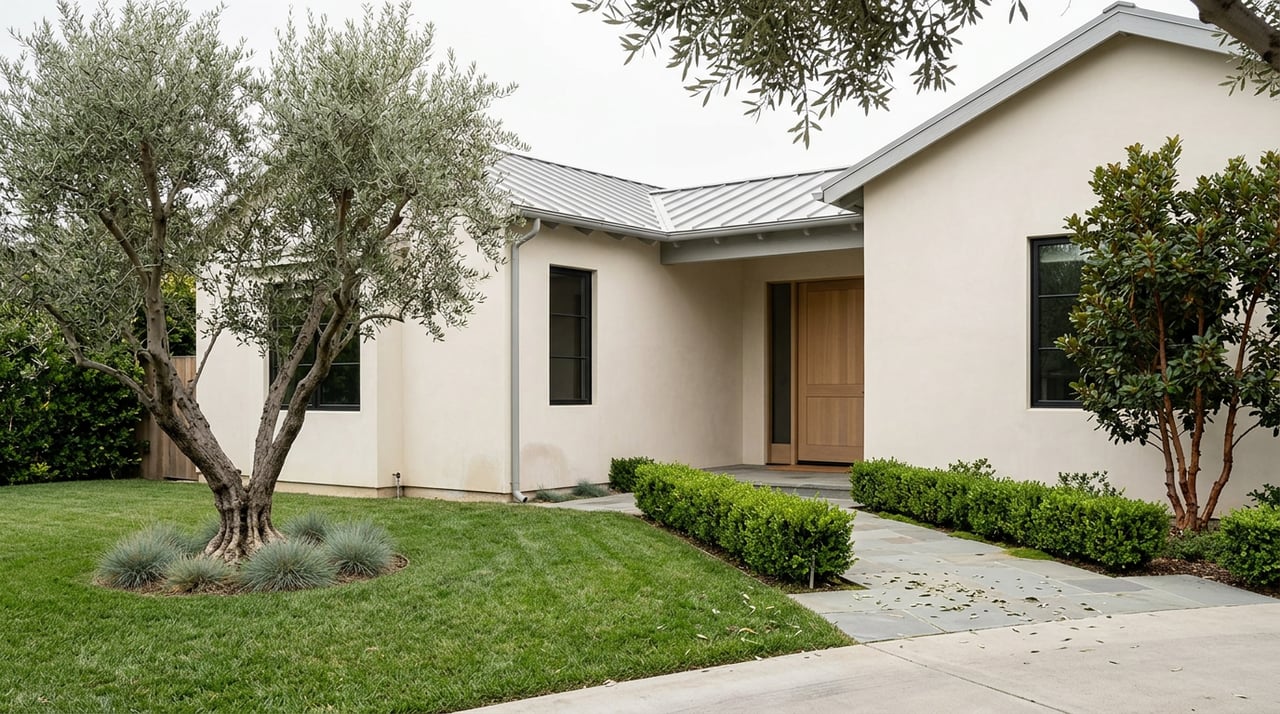
If you have lived in your Alamo home for years, downsizing can feel like two big projects happening at once. You are not just selling a house. You are also sorting through decades of belongings, planning your next move, and trying to protect your timing and equity. The good news is that with the right preparation, a downsizing sale can be far more manageable and far less stressful. Let’s walk through the steps that matter most.
Why timing matters in Alamo
Alamo’s spring 2026 market points to a strong seller environment, but that does not mean you can skip the prep work. March 2026 data showed a median listing price of $2.87 million, 52 homes for sale, a median 23 days on market, and a 101% sale-to-list ratio. Realtor.com also described Alamo as a seller’s market with more buyers than homes available.
For you, that means first impressions matter even more. In a market that moves quickly, buyers often make decisions fast. A home that launches well from day one is better positioned than one that goes live before it is ready.
It is also worth noting that the same March 2026 data showed a median sold price of $2.4 million. That gap between listing and sold figures is a reminder that pricing still needs to be thoughtful, even when demand is strong.
Start with your downsizing plan
Before you think about photos or showings, define what downsizing means for your life. You may want less square footage, fewer stairs, lower maintenance, or a location that better fits your next chapter. The clearer your goal is, the easier it becomes to make decisions about timing, repairs, and what to keep.
A downsizing sale usually runs more smoothly when you treat it like a coordinated transition, not a simple listing. That means planning your move, your next housing step, your tax questions, and your sale timeline together.
Ask these questions first
- Do you want to buy your next home before or after selling?
- Will your next home be your primary residence?
- Do you need temporary housing between closings?
- Which furniture and belongings are moving with you?
- Which items should be donated, gifted, sold, or discarded?
- Do you need time for paperwork, estate planning, or tax review?
These answers help shape the right sale strategy for your situation.
Declutter before you do anything else
For most downsizing sellers, decluttering is the biggest job and the most important one. It is also the step that supports everything else, from staging to packing to moving-day logistics.
According to the National Association of Realtors’ 2025 staging research, 83% of buyers’ agents said staging helps buyers visualize a property as their future home. The same research found that 49% of sellers’ agents said staging reduced time on market, and 29% said staging increased the dollar value offered by 1% to 10%.
That does not mean you need a major remodel. NAR’s consumer guidance describes staging as decluttering and styling a home so it can be seen in its best light. For a longtime Alamo owner, that usually means editing the home first, then making smart presentation updates where they will have the most impact.
Focus on visible, high-impact changes
NAR recommends steps like these:
- Pack away personal items
- Remove bulky furniture
- Use neutral paint where needed
- Keep bedrooms and bathrooms fresh
- Make closets look half full instead of packed
This approach matters because buyers respond strongly to clean, open, easy-to-understand spaces. They want to see the home, not the volume of things a home can hold.
Prioritize preparation over remodeling
When you are downsizing, it is easy to wonder whether you should take on a long list of upgrades before selling. In most cases, broad remodeling is not the first place to start.
The better approach is to focus on rooms and features that shape buyer perception early. Decluttering, selective staging, fresh paint where needed, and clean, well-maintained spaces often do more for first impressions than expensive projects with long timelines.
In a market like Alamo, where inventory is limited and homes can move quickly, the goal is to launch polished and prepared. It is not to treat the listing like a test run while you figure things out later.
A practical pre-listing checklist
- Sort what you will keep in your next home
- Remove excess furniture
- Clear countertops and surfaces
- Organize closets, storage areas, and garage spaces
- Refresh key rooms if paint or finishes feel dated
- Deep clean before photography and showings
- Gather property documents early
A simple, well-executed plan can make your home feel larger, lighter, and easier for buyers to imagine living in.
Coordinate the sale with your next home
For many downsizing sellers in California, the biggest source of stress is not the sale itself. It is the overlap between selling the current home and securing the next one.
This is where timing becomes especially important. Closing dates, possession dates, and any temporary housing plan should work together, not as separate decisions.
Understand Proposition 19 timing
California’s Proposition 19 allows eligible homeowners age 55 and older, severely disabled homeowners, and certain disaster victims to transfer the factored base year value of a primary residence to a replacement primary residence anywhere in California. The California State Board of Equalization says eligible homeowners may use this transfer up to three times.
In general, the replacement home must be purchased or newly constructed within two years of the sale of the original home. The timing rules also matter if you buy first. The Board of Equalization says the transfer takes effect as of the later of the sale of the original home or the purchase or completion of the replacement home.
If the replacement home is of equal or lesser value, the original base year value can transfer without adjustment. If the replacement home costs more, the difference is added to the transferred value.
What to know if you buy before you sell
Contra Costa County’s claim form makes an important point for downsizing sellers who purchase first. You may be responsible for the increased taxes on the replacement home until the original home sells.
That is one reason your move plan should include more than just price and closing date. It should also account for carrying costs, temporary overlap, and how long you want to manage two properties if the timing does not line up perfectly.
Filing details to keep on your radar
According to Contra Costa County, the claim is filed with the assessor in the county where the replacement property is located. It is generally due within three years of purchase or completion of the replacement home. Late claims may still be filed, but relief begins in the year the claim is filed.
The same county form says you must own and occupy the replacement primary residence as your principal residence when the claim is filed. For many sellers, this is a helpful item to add to the post-closing checklist rather than leaving it to memory.
Keep disclosures on track
Downsizing sellers sometimes assume that a home sold as-is comes with fewer disclosure obligations. In California, that is not the case.
California Civil Code section 1102 applies to transfers of single-family residential property. Section 1103 requires natural hazard disclosures when a property is in mapped flood, fire, earthquake, seismic, or wildland fire hazard areas. The statutory form also states that these hazards can affect development, insurance, or disaster assistance, and California law says these disclosure requirements cannot be waived.
For you, the practical takeaway is simple. An as-is sale does not erase your disclosure duties, so it helps to gather information early and stay organized throughout the listing process.
Lead-based paint rules for older homes
If your home was built before 1978, federal law requires sellers and agents to disclose known lead-based paint hazards, provide the EPA pamphlet, share available records and reports, and give buyers a 10-day inspection period before the contract is signed.
If your home falls into that age range, it is smart to identify any records you already have before the home goes on the market. That can help avoid delays once a buyer is in contract.
Estimate your net proceeds early
A downsizing move is often about simplifying life, but it is also a financial decision. That is why early net-proceeds planning matters.
At the federal level, many sellers may exclude up to $250,000 of gain, or up to $500,000 on a joint return in most cases, if the ownership and use tests are met. Because Alamo home values are high, longtime owners should review their basis, capital improvements, and any non-residential use early to estimate whether part of the gain may still be taxable.
This does not need to be overwhelming. It simply means you should understand your numbers before you commit to your next purchase or final moving budget.
Don’t forget the homeowners’ exemption
The California State Board of Equalization notes that the homeowners’ exemption provides a $7,000 reduction in taxable value for a qualifying owner-occupied home. The first filing is made through the county assessor and is due by February 15 for the full year’s exemption.
For a seller moving into a new primary residence, this is a small but useful post-move detail to keep on your list.
Build a sale plan around fewer decisions later
The smoothest downsizing sales usually have one thing in common: major decisions get made early. That includes what to keep, how to prepare the home, when to list, and how the sale fits with your next residence.
When you have a clear strategy, it becomes easier to avoid rushed packing, mismatched closing dates, and expensive last-minute fixes. You also create a better experience for buyers, which supports a stronger market launch.
In Alamo, where homes can move quickly and values are significant, thoughtful planning can make a meaningful difference. The goal is not just to sell. It is to move forward with confidence and fewer surprises.
If you are preparing for a downsizing move in Alamo, The Knapp Team can help you build a clear plan for pricing, preparation, timing, and next steps with the calm, hands-on guidance that makes a complex move feel more manageable.
FAQs
What makes a downsizing sale in Alamo different from a typical home sale?
- A downsizing sale often involves selling and moving at the same time, which means you need to coordinate decluttering, timing, your next home, and financial planning together.
How fast can a home sale move in Alamo?
- March 2026 Realtor.com data showed a median 23 days on market in Alamo, which suggests that homes can move quickly when they are priced and prepared well.
What home prep matters most for Alamo downsizing sellers?
- Decluttering, removing bulky furniture, refreshing key spaces, and selective staging often have the biggest impact because they help buyers picture themselves in the home.
What should California homeowners know about Proposition 19 when downsizing?
- Eligible homeowners may be able to transfer the factored base year value from an original primary residence to a replacement primary residence anywhere in California, subject to timing and occupancy rules.
What happens if a California downsizing seller buys the next home before selling the current one?
- Contra Costa County says you may be responsible for the increased taxes on the replacement home until the original home sells, so the order of events can affect your carrying costs.
Do California as-is home sales still require disclosures?
- Yes. California disclosure duties still apply, including required natural hazard disclosures for properties in applicable mapped hazard areas.
What should Alamo sellers know about lead-based paint disclosure?
- If the home was built before 1978, sellers must disclose known lead-based paint hazards, provide the required pamphlet, share available records, and allow a 10-day inspection period before contract signing.
Why should longtime Alamo homeowners estimate net proceeds before listing?
- Because Alamo home values are high, longtime owners may want to review gain exclusion rules, basis, and capital improvements early so they can better plan for their next purchase and moving budget.